Introduction
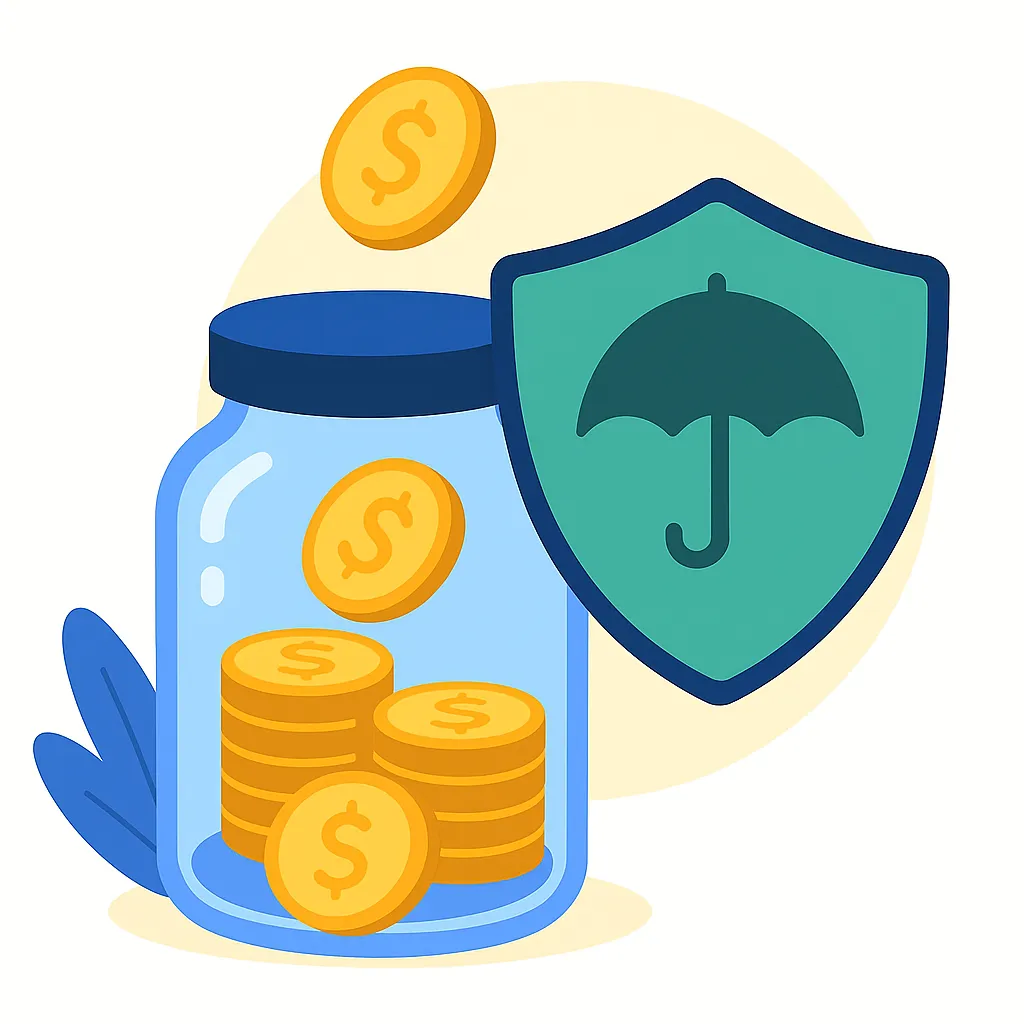
An emergency fund is one of the most important foundations of financial stability. It protects you from unexpected events such as car repairs, medical bills, home emergencies or sudden changes in income. Instead of relying on credit cards, loans or overdrafts, an emergency fund gives you breathing room and reduces financial stress.
You do not need a high income or a perfect budget to start one. Millions of people begin with very small amounts and slowly build up over time. The goal is progress, not perfection. This guide will show you how much you might need, how to start even if money feels tight, and the best ways to save consistently.
By the end, you will know exactly how to take the first step toward a more secure financial future.
What Is an Emergency Fund?
An emergency fund is a pot of money set aside specifically for unexpected expenses. It is not for holidays, buying new gadgets or planned purchases. It is a financial buffer that helps you avoid debt when life throws surprises your way.
Why It Matters
- Prevents relying on credit cards or loans during emergencies
- Reduces financial anxiety and gives you more control
- Protects your long-term financial goals
- Helps you recover faster from unexpected expenses
Pro Tip:
Keep your emergency fund in a separate savings account so you are not tempted to spend it. Easy access savings accounts work best for emergencies.
How Much Do You Need?
The ideal emergency fund size depends on your personal situation, income stability and financial responsibilities. Most people aim for one of the following targets:
Starter Emergency Fund: £250–£1,000
This is a great first goal. It covers small emergencies such as car repairs, medical costs or urgent bills. It is the perfect starting point if money feels tight.
Full Emergency Fund: 3–6 Months of Expenses
This is the long-term goal for full financial protection. It covers major events such as job loss, temporary illness or large unexpected bills.
Factors That Affect Your Target
- Job stability: Freelancers and contractors may benefit from a larger fund.
- Family size: Larger households may need more buffer.
- Your debt level: If you have high-interest debt, aim for a smaller starter fund first so you can attack debt.
How to Start Saving (Even on a Tight Budget)
You do not need to save huge amounts at once. Small, consistent steps add up faster than you think. Here are simple ways to start building your fund today.
1. Set a Realistic Monthly Amount
Start small. Even £10–£25 per week makes a difference. Focus on building the habit first, then slowly increase your contributions as your situation improves.
2. Automate Your Savings
Set up a direct debit or standing order into your emergency savings account on payday. Automation makes saving effortless and removes temptation.
3. Cut Small Non-Essentials Temporarily
You do not need to overhaul your lifestyle. Look for gentle savings opportunities such as reducing takeaways, reviewing unused subscriptions or switching to cheaper brands.
Pro Tip:
Whenever you receive unexpected money, such as tax refunds, bonuses or selling unwanted items - send a portion directly to your emergency fund.
Where to Keep Your Emergency Fund
Your emergency fund should be easy to access, safe and separate from your day-to-day spending account.
Best Places to Store It
- Easy-access savings account: Flexible withdrawals with basic interest.
- Instant access cash ISA: Tax-free interest with quick access.
- High-interest online savings accounts: Often better rates with easy management.
Avoid locking all your emergency fund into fixed-term accounts, as you may struggle to access it when needed.
How to Stay Motivated
Saving for emergencies isn’t exciting, but staying motivated helps you reach your goals faster.
Track Your Progress
Use a savings tracker, a simple spreadsheet or your banking app to celebrate each milestone.
Set Milestones
Break your goal into smaller targets such as £100, £250, £500 and £1,000. Every milestone is a win.
Reward Yourself Responsibly
When you hit a milestone, treat yourself to something small and inexpensive. It reinforces progress without undoing your hard work.
Final Thoughts
An emergency fund is one of the most powerful tools for reducing financial stress and building long-term stability. It gives you protection, confidence and options during difficult moments.
Start small, stay consistent and focus on progress rather than perfection. Every pound you save strengthens your financial foundation - and your future self will thank you for it.