Introduction
Bear markets feel uncomfortable. News headlines turn negative, prices fall across portfolios and it can seem like years of progress are disappearing in a matter of months. For many new investors this is the moment when doubts appear and the temptation to sell everything can feel very strong.
However, bear markets are also when some of the best long term opportunities appear. Prices are lower, future returns improve and disciplined investors who keep contributing often come out much stronger when the next recovery begins. Understanding how bear markets work can help you stay calm and even view them as a natural, useful part of the investing journey.
Key idea: A bear market is not a permanent loss unless you sell. For long term investors it is a temporary sale on assets that are now cheaper than before.
What Is a Bear Market?
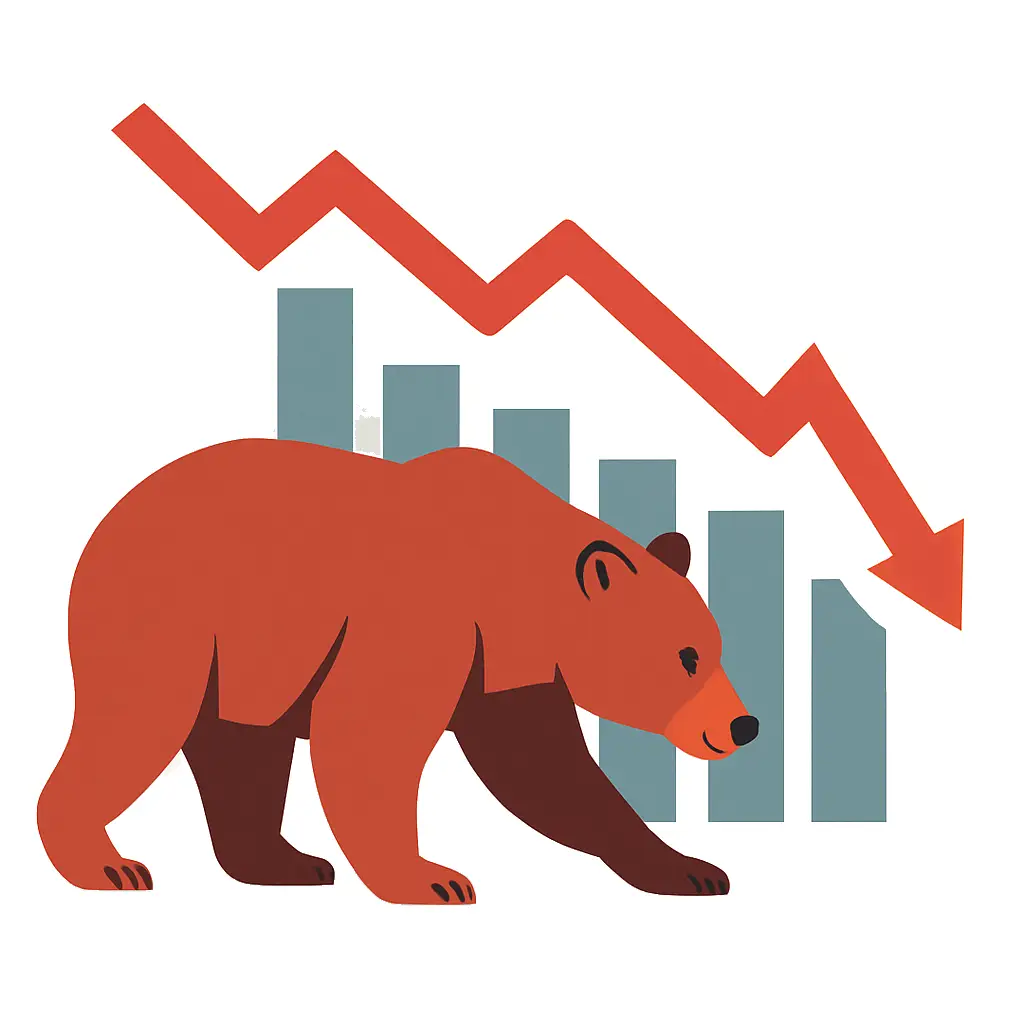
A bear market is a period when the prices of investments such as shares or funds fall significantly from recent highs. Many investors use a rough guide of a drop of 20 percent or more in a major index, although the exact percentage is less important than the overall picture of widespread declines and weak confidence.
During a bear market more people want to sell than buy. This selling pressure pushes prices down, which can lead to more worry and further selling. At the same time the economic outlook often looks uncertain, company profits may be under pressure and news flow tends to focus on risks rather than opportunities.
Normal Part of the Market Cycle
Bear markets are not rare or unusual. Over a long investing lifetime you can expect to experience several of them. History shows that every long term chart of the stock market includes both rising periods and sharp falls, yet the long run direction has been upward as economies grow and companies create value.
Perspective:
When you zoom out on a long term market chart, many past bear markets that felt severe in real time look like small dips on an upward trend. This is a helpful reminder not to make permanent decisions based on temporary declines.
Why Bear Markets Happen
There is never a single cause for every bear market, but several common triggers appear again and again. These include:
- Economic slowdowns: Falling growth, rising unemployment or weaker profits can reduce confidence.
- Financial stress: Issues in the banking system, credit markets or housing can spill over into stocks.
- High starting valuations: When prices have risen very far very fast they can be more fragile if expectations change.
- Unexpected shocks: Events such as geopolitical conflicts, health crises or policy surprises can cause sharp revaluations.
Although each bear market has its own story, the pattern is familiar: expectations adjust, prices fall to reflect new information and markets eventually reach a level where buyers return in strength.
Historical Examples of Bear Markets
Looking at past bear markets helps highlight how investors who stayed the course, or even bought more, were often rewarded when recovery arrived.
The Dot Com Bust in the Early 2000s
After a powerful run in technology stocks during the late 1990s, optimism turned into excess. When expectations finally reset, many technology shares fell heavily and broader markets declined for several years. Investors who sold out entirely locked in large losses. Those who held diversified portfolios or gradually bought strong companies at much lower prices often saw significant gains in the years ahead.
The Global Financial Crisis of 2007 to 2009
Problems in the housing and banking system led to one of the sharpest bear markets in modern history. Major indexes more than halved from their peaks. Yet investors who continued regular investing during this period bought assets at historically low prices. The recovery that followed rewarded patience and showed how powerful it can be to keep contributing even when everything feels negative.
The Short but Violent 2020 Bear Market
In early 2020, markets fell very quickly as the world reacted to a global health crisis and lockdowns. Prices dropped at record speed, but the downturn was also shorter than many previous episodes. Investors who stayed invested, or who increased their contributions during the sharp decline, benefited as markets rebounded and moved on to new highs in the years that followed.
How Long Do Bear Markets Usually Last?
Bear markets vary in length. Some last a few months, others stretch over a couple of years. What matters more than the precise duration is the relationship between bear markets and the much longer bull markets that often follow them.
Historically bull markets have tended to last longer than bear markets and have produced larger total gains than the losses seen during downturns. This is one reason that long term investors who remain invested across multiple cycles usually see their portfolios grow even though they live through several uncomfortable declines along the way.
Why Staying Invested Matters
When markets fall it is natural to think about getting out until things “feel safe” again. The problem is that nobody rings a bell at the bottom. Many of the strongest days and weeks of market performance often appear when sentiment still feels weak. Missing these recoveries can significantly reduce long term returns.
By staying invested through bear markets you keep your position in the recovery whenever it arrives. You avoid the risk of selling low and then struggling to decide when to re enter. For investors focused on long term goals, time in the market is often more important than perfect timing.
Example:
Imagine you sell after a large decline, then wait for clear good news before buying back. By the time headlines feel positive again, markets may already have risen significantly, leaving you with fewer units for the same money and weaker long term compounding.
How to Benefit from Falling Prices
Bear markets are emotionally challenging, but they also create conditions that can help disciplined investors. Lower prices mean that every pound you invest buys more units of the same asset. Over time this can improve potential future returns.
Continue Regular Investing
Setting up a regular monthly contribution into a diversified fund or portfolio allows you to buy more units when prices are low and fewer when prices are high. This approach, often called pound cost averaging, helps you take advantage of volatility instead of fearing it.
Rebalance Back to Your Target Mix
During a bear market the share portion of a portfolio often falls faster than bonds or cash. Rebalancing means selling a little of what has held up better and buying more of what has fallen. This forces you to buy assets at lower prices in line with your original plan rather than based on emotion.
Focus on Quality at Better Valuations
Strong companies and diversified funds also get caught in market wide declines. Bear markets can be a chance to buy these quality assets at prices that were not available during previous peaks. The key is to focus on long term fundamentals rather than short term price moves.
Common Mistakes During Bear Markets
Knowing what to avoid is just as important as knowing what to do. Some of the most common mistakes include:
- Panic selling: Selling long term investments purely because prices have fallen, often close to the bottom.
- Stopping contributions: Halting regular investing at the very moment when prices are most attractive.
- Switching strategies repeatedly: Jumping from one approach to another based on recent performance rather than a clear plan.
- Taking excessive risk to recover losses quickly: Chasing speculative assets in the hope of fast gains, which can lead to further losses.
A simple written plan that sets out your goals, time horizon and risk level can help you avoid these traps. When markets fall you can refer back to the plan rather than reacting to fear.
Final Thoughts
Bear markets are an unavoidable part of investing. They test patience, confidence and discipline. Yet for investors who stay focused on long term goals, these periods are often when some of the most attractive opportunities appear. Prices are lower, future return potential improves and regular contributions buy more units than before.
You do not need to predict the bottom or know exactly when the recovery will start. By staying diversified, continuing to invest and avoiding panic decisions you position yourself to benefit when markets eventually move higher again. Over a full investing lifetime it is often how you behave during bear markets, rather than bull markets, that has the biggest impact on your ultimate results.