Introduction
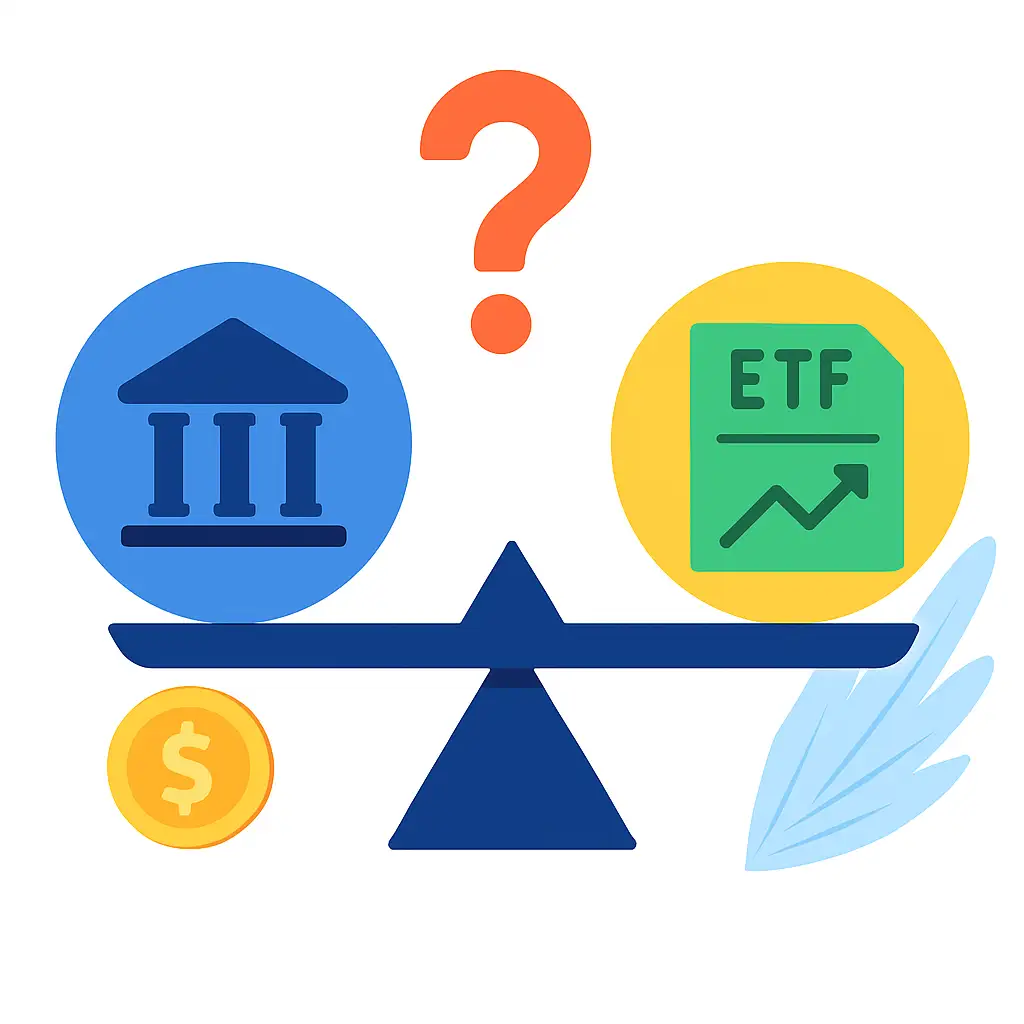
As you move beyond the basics of investing, one of the first decisions you face is whether to buy individual shares or invest through exchange traded funds. Each choice has strengths and limitations. The right option depends on your goals, comfort with risk and interest in researching the market.
This guide explains how each approach works, the benefits of both and how you can combine them to build a strong, balanced portfolio that fits your experience level.
What Are Individual Shares
When you buy an individual share, you become a part owner of a company. Your money relies on the success or failure of that one business. If the company grows, your investment can grow. If it struggles, your investment can fall.
Choosing shares yourself gives you complete control. You can study companies, follow new trends and build a collection of businesses that you believe in. This freedom also means your results depend entirely on the performance of the companies you choose.
Benefits of Individual Shares
- You can invest in businesses you understand and believe in.
- You can target strong growth if you choose well performing companies.
- You have full control over every part of your portfolio.
- You can adjust your holdings at any time to match your views.
Limitations of Individual Shares
Relying on single companies can increase risk. Even strong companies can face sudden problems such as legal issues, market changes or new competition. When one business suffers, your investment can fall sharply.
This means you need time, research and patience to manage a portfolio of individual companies. Without careful planning, it is easy to become concentrated in one sector or trend without realising it.
What Are Exchange Traded Funds
An exchange traded fund is a collection of investments that you buy through a single purchase. Many funds contain hundreds of companies from around the world. When you invest in a fund, you instantly spread your money across many businesses and sectors.
Funds are designed to be simple and stable. Instead of studying each company, you can choose a fund that matches your goals, such as global shares, government bonds or a mix of both. This makes funds a practical choice for many investors who want to grow their wealth without managing every detail.
Benefits of Exchange Traded Funds
- You gain instant diversification with a single purchase.
- Your results are not tied to one company.
- Funds are simple to manage and ideal for regular monthly investing.
- Costs are often low compared to actively managed products.
Limitations of Exchange Traded Funds
Funds offer broad exposure, but they remove the chance to target a specific company that you believe will outperform the market. Your returns will usually follow the wider market rather than beating it.
You also have less control over the individual companies in the fund. If you dislike certain businesses included in the fund, you cannot remove them yourself.
Key Differences
Both methods help you grow wealth, but they do so in different ways. Understanding these differences will help you choose the approach that fits your strategy.
- Risk level: Individual shares carry more risk because they depend on one business. Funds spread risk across many companies.
- Time commitment: Shares require research and monitoring. Funds require far less attention.
- Control: Shares give full control. Funds provide structure and simplicity.
- Potential growth: Shares can grow faster but can also fall sharply. Funds aim for steady long term progress.
When Shares Might Suit You
Individual shares can be a rewarding choice when you enjoy studying companies, following business news and forming your own investment views. They might also be suitable when you believe a specific company has strong long term potential.
- You want complete control over every part of your portfolio.
- You enjoy researching businesses and understanding financial data.
- You accept the possibility of larger ups and downs in your results.
- You already have a strong foundation through diversified funds.
When Exchange Traded Funds Might Suit You
Funds are ideal for investors who want long term growth without the need to pick individual companies. They make investing simple, steady and consistent across many market conditions.
- You want broad exposure without studying each company.
- You want to reduce risk through diversification.
- You prefer a simple, low maintenance approach.
- You are investing for long term goals such as retirement.
A balanced idea
Many investors begin with funds to form a strong base. Once their foundation is secure, they add a small number of individual companies for extra interest or potential growth. This creates a steady core with room for personal choice.
How to Combine Both Approaches
You do not need to choose one or the other forever. A combination can give you the benefits of both. Your core can be built from broad funds. Once that solid foundation is in place, you can add selected individual companies that match your interests or long term expectations.
Example:
Instead of buying shares in a single company, you can invest in a fund that tracks the FTSE 100 or S&P 500. This gives you exposure to hundreds of companies at once, spreading out your risk while still benefiting from long term market growth.
Final Thoughts
Stocks represent ownership in the companies that shape our world. By owning them, you participate in the growth of businesses and economies. Over time, this ownership can build wealth and provide financial freedom if approached with patience and discipline.
The key is to start early, stay consistent and choose the strategy that matches your goals, personality and confidence level. Whether you focus on ETFs, individual shares or a mix of both, steady long term investing is one of the most reliable paths to financial security.